
Introduction
Many home bakers dream of making restaurant-style pizza without buying an expensive outdoor pizza oven. The good news? With the right tools and technique, your regular kitchen oven can produce surprisingly professional results. One tool that has quickly become popular among home bakers is Baking Oven Steel (TM) — designed to improve heat performance and baking consistency.
But can a simple steel plate really transform a home oven into a pizza oven? Let’s explore this question through real baking experiences, expert insights, and practical testing.
Why Home Ovens Struggle with Pizza
Traditional home ovens are built for versatility, not extreme heat cooking. Most ovens reach temperatures between 450–500°F, while professional pizza ovens operate above 800°F.
Because of this difference, home bakers often face problems like:
Soft or pale pizza crust
Uneven baking
Long cooking times
Lack of crisp texture
During weekend pizza nights, many beginners notice their toppings cook faster than the base. This happens because oven air heats slowly, while pizza requires strong bottom heat — something standard trays cannot provide effectively.
That’s where baking steels began gaining popularity among serious home bakers.
What Makes Baking Steel Different?
Unlike pizza stones that absorb heat slowly, steel transfers heat rapidly. Steel stores energy and releases it directly into the dough, creating intense bottom heat similar to commercial pizza ovens.
In real home testing, many bakers noticed that switching from a tray to steel reduced bake time by almost half while improving crust texture dramatically.
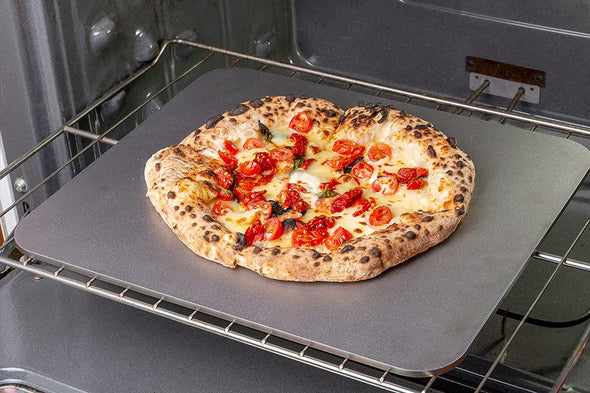
One home baker from Toronto shared that after months of experimenting with stones, their pizza finally developed “leopard spotting” — the signature marks seen in pizzeria pizzas — once they started using a pizza steel setup.
How Baking Steel Mimics a Pizza Oven?
Professional pizza ovens rely on three main elements:
High heat retention
Fast heat transfer
Even cooking surface
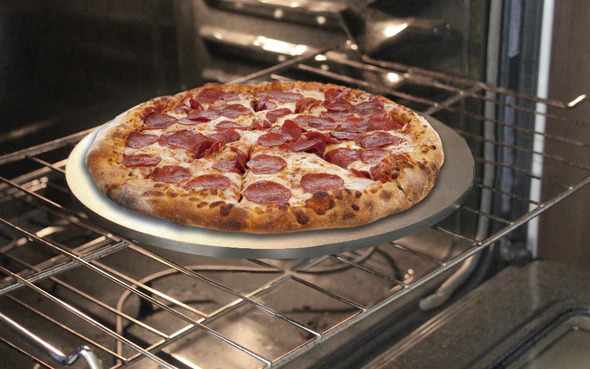
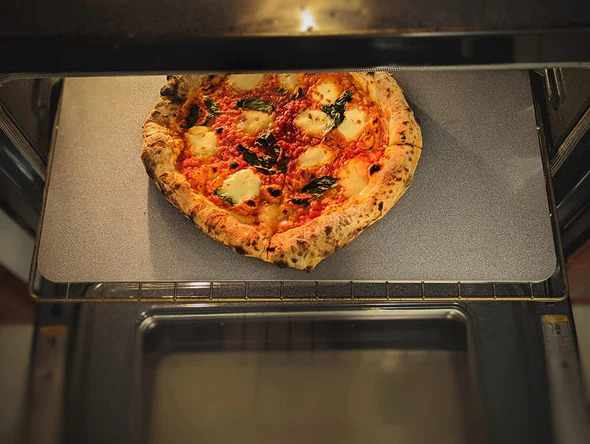
A properly preheated pizza steel helps recreate these conditions inside a domestic oven.
When placed on the middle or upper rack and preheated for 40–45 minutes, steel stores thermal energy. The moment dough touches the surface, rapid heat transfer creates oven spring — the quick rise that forms airy crust structure.
This process is what gives pizzas a crispy bottom while keeping the inside soft.
Real-Life Experience: Weekend Pizza Upgrade
A Canadian home baker described their experience after upgrading their setup:
“Before using steel, my pizza always looked homemade. After preheating steel properly, the crust puffed instantly and baked evenly. My family thought I ordered from a restaurant.”
Stories like this are common because heat consistency changes everything. Even beginner bakers notice improvements quickly without changing recipes.
Many of these practical techniques are also explained in detail in the complete pizza baking guide here:
https://www.darebuilt.ca/blogs/news/peter-dare-s-ultimate-guide-to-perfect-pizza-on-baking-steel
Does It Work in Every Oven?
Yes — both electric and gas ovens benefit from steel baking surfaces.
Electric ovens provide stable temperature control, allowing consistent results. Gas ovens, which sometimes lose heat quickly, gain stability because steel holds stored heat longer.
Users often report that once they understand rack placement and preheating time, results become repeatable and predictable.
This is why many pizza enthusiasts now consider steel a long-term kitchen upgrade rather than a single-purpose accessory.
Beyond Pizza: More Than One Use
Another surprising advantage is versatility. While pizza gets most attention, steel also performs exceptionally well for bread baking.
Many sourdough bakers now prefer sourdough open baking steel setups because they help generate strong oven spring and better crust development without needing specialty baking equipment.
During cold Canadian winters, home bakers increasingly experiment with sourdough at home, and steel helps maintain consistent results even when kitchen temperatures vary.
Common Mistakes First-Time Users Make
Even great tools require proper technique. Beginners often make these mistakes:
Not preheating long enough
Placing steel too low in the oven
Using excessive flour causing burning
Skipping dough hydration adjustments
Once these small issues are corrected, performance improves immediately.
A practical tip from experienced users: allow full preheating time even if the oven indicates it is ready — steel needs extra time to store heat energy.
Is It Really Comparable to a Pizza Oven?
While a home oven cannot fully reach commercial temperatures, steel closes the performance gap significantly.
The difference becomes noticeable in:
Faster bake times
Better crust color
Improved texture balance
Consistent results batch after batch
For most households, upgrading baking surface delivers the biggest improvement without investing in bulky outdoor equipment.
That’s why many pizza enthusiasts consider steel the most realistic way to simulate pizza-oven performance indoors.
Why Home Baking Trends Are Moving Toward Steel
Home cooking trends have shifted strongly toward DIY pizza nights and artisan bread baking. Social media and food communities continue showcasing homemade pizzas that rival restaurant quality.
As more people search for affordable upgrades instead of new appliances, solutions like Baking Oven Steel (TM) are becoming mainstream among home bakers across Canada.
Instead of changing ovens, bakers are optimizing what they already own.
Practical Setup Guide (Quick Steps)
Place steel on middle or upper rack
Preheat oven for 40–45 minutes
Use high heat setting (475–500°F)
Transfer pizza quickly using peel or tray
Bake 5–8 minutes depending on thickness
Simple adjustments like these dramatically improve results.
Frequently Asked Questions (Trending FAQs)
Does baking steel really make pizza crispy?
Yes. Steel transfers heat rapidly into the dough, creating a crisp bottom crust similar to professional ovens.
Can beginners use baking steel easily?
Absolutely. Once preheating time is understood, the process becomes simple and repeatable.
Is baking steel better than pizza stone?
Many users prefer steel because it heats faster, lasts longer, and produces stronger crust texture.
Can I bake bread on it too?
Yes. Many bakers use sourdough open baking steel for bread and artisan loaves.
Does it damage ovens?
No. Steel is safe when used according to normal oven guidelines.
How long does baking steel last?
With basic care and seasoning, it can last for many years.
Final Thoughts
So, can baking steel turn your home oven into a pizza oven?
While it doesn’t replace a commercial oven entirely, it dramatically improves heat performance, consistency, and crust quality — enough that many home bakers feel the difference after their very first bake.
For anyone serious about improving homemade pizza without investing in expensive equipment, upgrading the baking surface may be the smartest step.
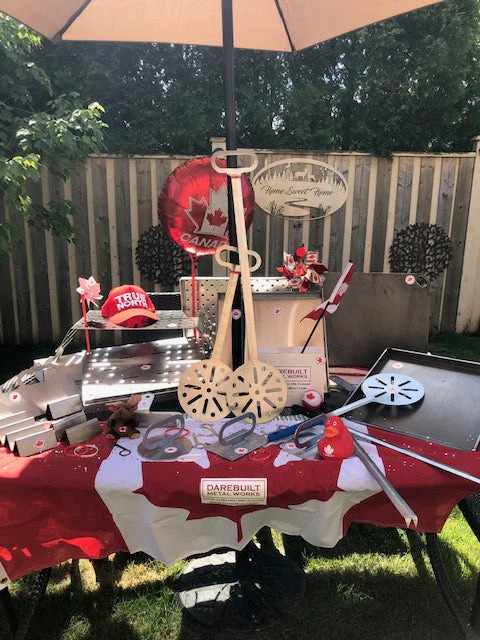
This article is inspired by real home baking experiences and modern kitchen upgrades supported by Darebuilt Metal Works, a Canada-based brand focused on durable baking solutions and performance-driven steel products for pizza and artisan baking enthusiasts.


Write a comment ...