
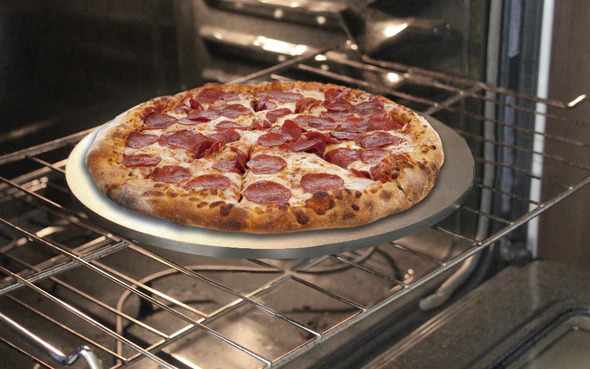
When it comes to baking the perfect pizza at home, your ingredients matter, but so does your baking surface. A baking steel pizza plate for the oven is one of the best tools you can use for professional-quality results. However, to unlock its full potential, you need to pay attention to something many home bakers overlook—dough hydration. Getting the right balance of water and flour in your dough makes all the difference between a chewy, airy crust and a dense, dry one.
In this article, we’ll explore what dough hydration really means, why it matters when baking on steel, and how you can adjust it to suit your pizza baking style.
What is Dough Hydration?
Dough hydration refers to the ratio of water to flour in your pizza dough, usually expressed as a percentage. For example, if you use 1000 grams of flour and 650 grams of water, your dough has 65% hydration. This number impacts everything—texture, handling, fermentation, and how your crust bakes on a steel.
When using a baking steel pizza plate, the hydration level becomes even more important because steel transfers heat much faster than a traditional pizza stone. That means your dough needs to be balanced enough to crisp quickly while still maintaining moisture inside.
Why Hydration Matters for Baking Steel
A baking steel in Canada delivers exceptional results because of its heat conductivity. But that speed can be a double-edged sword:
Low Hydration Dough (55–60%): Easier to handle but often results in a denser crust. On steel, it may dry out quickly before the inside cooks fully.
Medium Hydration Dough (65–70%): Ideal balance for most home bakers. It provides an airy, chewy crust while crisping nicely on the steel surface.
High Hydration Dough (70%+): Produces an artisan-style pizza with open crumb and lighter texture. However, it’s harder to shape and requires more skill to launch onto the steel.
If you’re just starting out with a pizza plate for oven, a hydration level of around 65% is a safe and reliable choice.

The Science Behind Hydration and Heat
Steel absorbs and releases heat faster than stone, allowing for quicker oven spring and crispier bottoms. With the right hydration, the dough develops steam inside, puffing up beautifully while the exterior chars just enough to give that authentic pizzeria bite.
Too little hydration and the pizza will feel tough. Too much hydration without experience, and you’ll end up with sticky dough that’s hard to manage. The key is finding the sweet spot that matches your oven, your steel, and your skill level.
Tips for Adjusting Dough Hydration
Start with 65% Hydration
If you’re new to using baking steel pizza tools, begin with 65% hydration. It balances ease of handling and great results.
Use Strong Flour
Higher hydration requires stronger flour with more protein to absorb water and maintain structure. Look for bread flour if you want to push above 70%.
Adjust for Climate
Humidity and temperature affect hydration. In drier climates, your dough may need more water, while in humid regions, less may be required.
Experiment in Small Batches
Test different hydration levels in smaller doughs (200–300g of flour) until you find your personal preference.
Practice Handling Sticky Dough
For higher hydration, use techniques like stretch and fold, wet hands, and a well-floured work surface to prevent sticking.
How to Bake Perfectly with a Pizza Plate for Oven
Once you’ve nailed hydration, the baking process becomes easier. Here are some additional tips:
Preheat Your Steel: Always give your baking steel in Canada at least 45–60 minutes to heat thoroughly. This ensures an evenly baked crust.
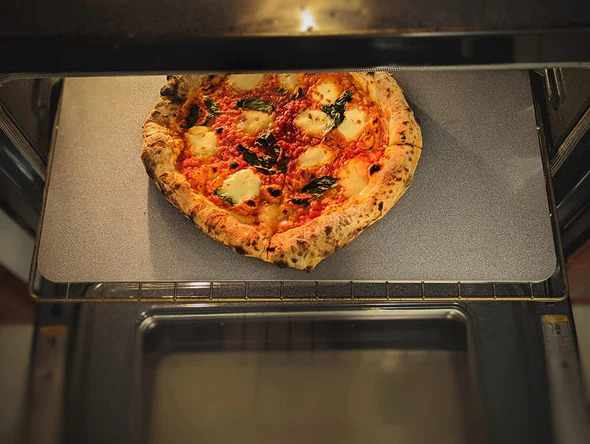
Use the Broiler: For Neapolitan-style results, switch on the broiler for the last minute of baking. It will give your crust that perfect leopard spotting.
Keep It Simple: Too many toppings can weigh down high-hydration dough. Start with simple margherita-style pizzas to get the hang of it.

Common Mistakes to Avoid
Overhydrating Too Soon: Beginners often jump straight into 75% hydration doughs and struggle. Build your skills gradually.
Skipping Rest Time: Dough needs time to absorb water. Don’t rush through autolyse or bulk fermentation.
Not Measuring Accurately: Always weigh ingredients with a digital scale. Precision is everything when balancing hydration.
Conclusion
The best dough hydration for baking steel pizza typically falls in the 65–70% range, giving you a chewy, airy crust with a crisp bottom. However, there’s no one-size-fits-all—your flour, climate, and skill level will all play a role. The beauty of pizza baking lies in experimentation, so don’t be afraid to test different hydration levels until you find your perfect dough.
Whether you’re using a baking steel in Canada or any pizza plate for oven, hydration is the secret ingredient that elevates your homemade pizza from good to unforgettable.




Write a comment ...