
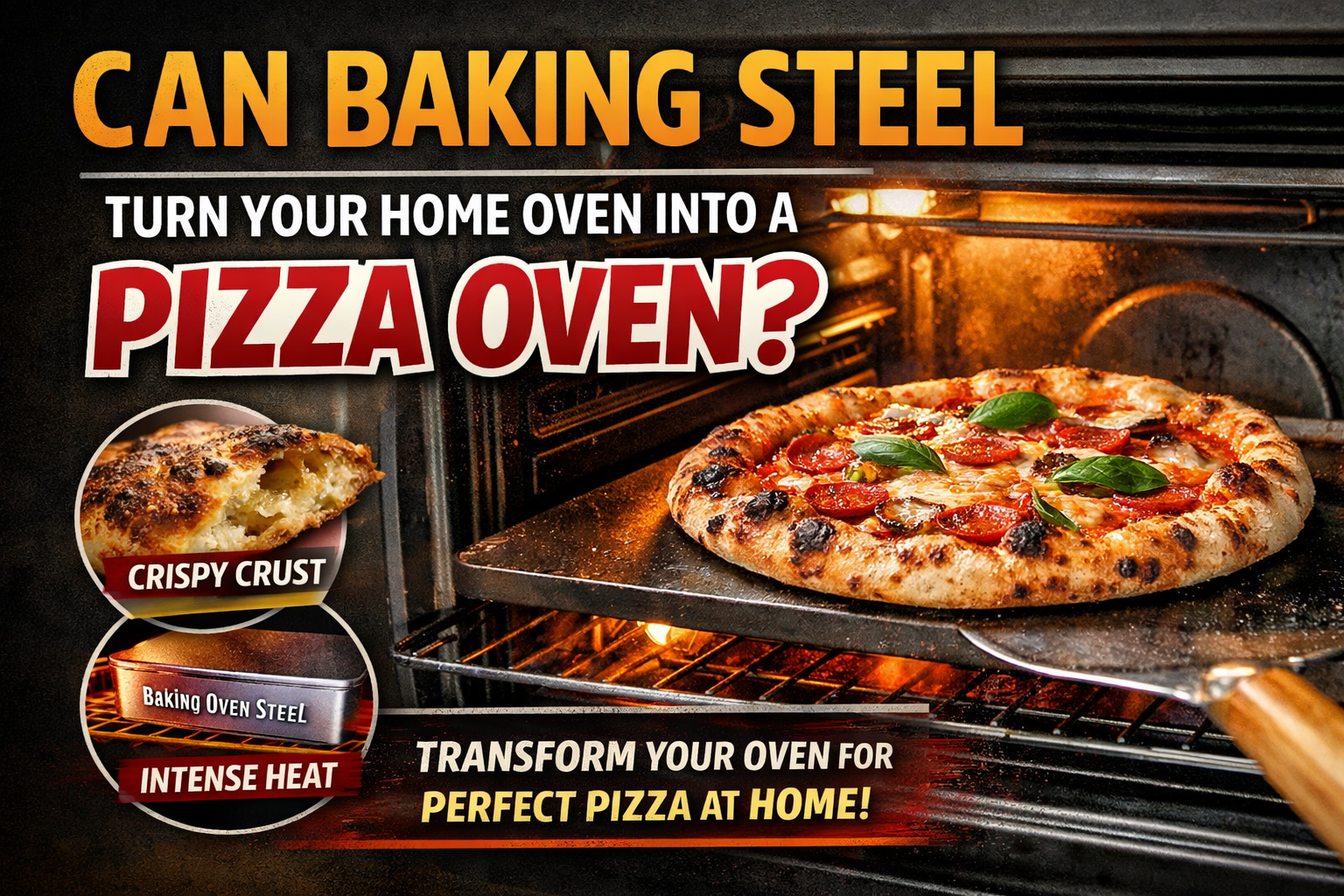
If you love pizza night (who doesn’t?), switching to a baking oven steel is one of the simplest upgrades that delivers restaurant-style crust at home. Whether you’re chasing that perfect leopard-spotted char or a lightning-fast bake, a baking steel can change the game. Let’s walk through what it is, how it helps, and why Canadian baking Steel brands are getting so much attention.
What Is Baking Steel?
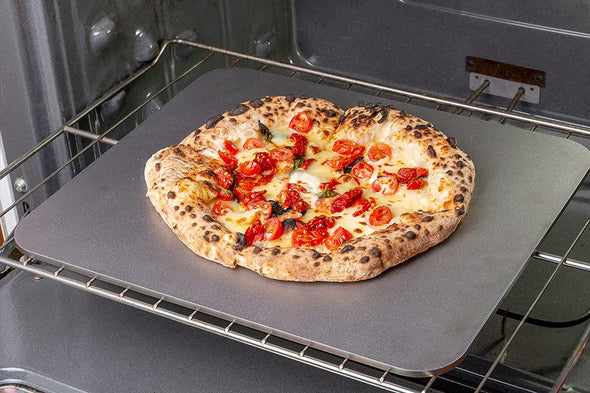
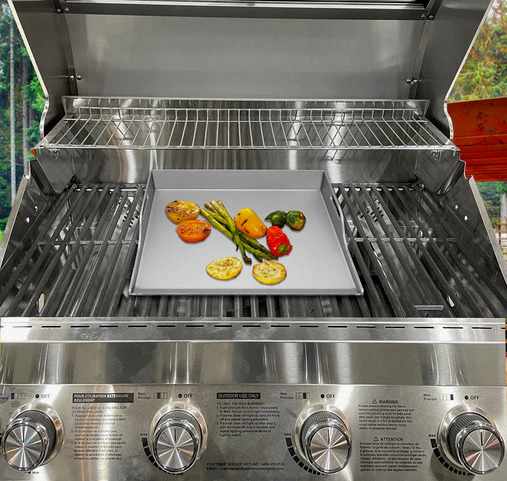
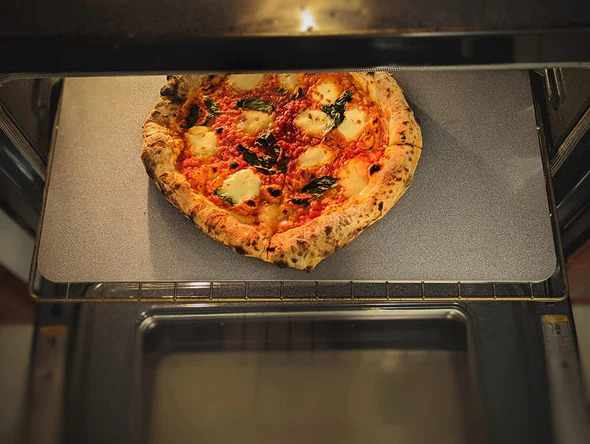
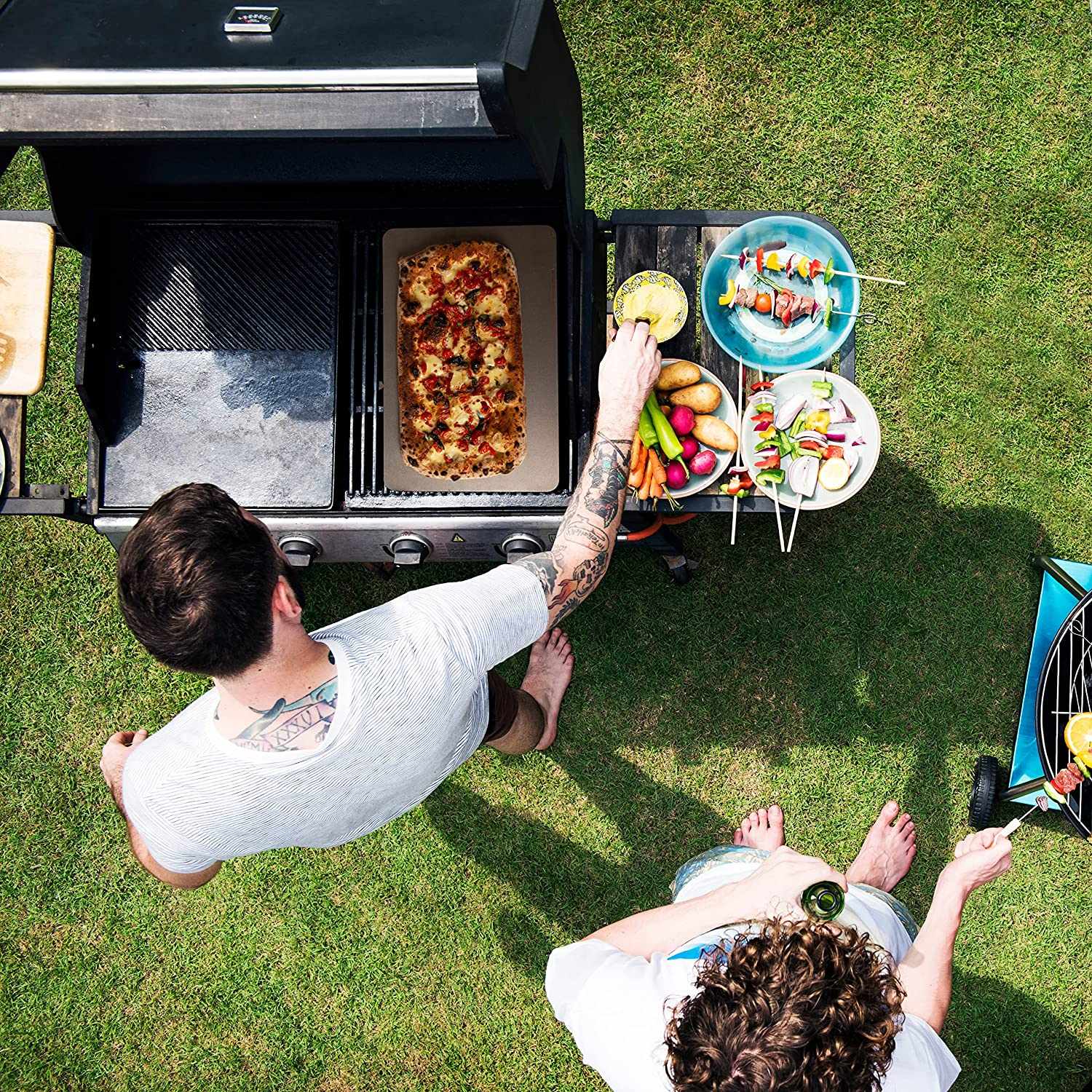
A baking steel is a thick slab of steel (usually tool steel or mild steel) designed to sit in your oven or on a grill and act as a super-efficient heat source for the bottom of your bake. It’s like giving your pizza or bread a cast-iron hot plate — but flatter, denser, and faster.
Steel vs. Stone: Key Differences
Steel conducts heat much better than stone. That means faster heat transfer into dough and a crisper crust in less time. Stones store heat too, but their thermal conductivity is lower — translate: slower crisping, longer preheats.
Why Bakers and Home Chefs Love Baking Steel
A few practical reasons make steels a favorite:
Heat Transfer and Retention
Steel heats quickly and transfers heat to your dough fast. That instant, intense burst is what forms blistered char and crunch without drying out the whole pizza.
Durability and Lifespan
Unlike ceramic stones that can crack, a steel will last for decades if you treat it right. It might rust if neglected, but rust is fixable — and once seasoned, a steel becomes relatively low maintenance.
How Baking Steel Improves Pizza
Getting a Crispy Bottom Without Burning
Because steel transfers heat quickly, you can get a golden, crisp bottom in 4–6 minutes at high oven temps. The top cooks at the same time, so you avoid burning the base while waiting for toppings to cook.
Tips for Thin-Crust vs Pan-Style
Thin crust: Slide onto a screaming-hot steel (500–550°F / 260–290°C). Quick, blistered results.
Pan/Deep-dish: Preheat the pan on the steel so the base gets extra heat from below without direct contact.

Using a Baking Oven Steel: Step-by-Step
Preheating Best Practices
Preheat the oven with the steel in place for at least 45–60 minutes on the highest safe temperature to ensure the steel reaches thermal equilibrium. Yes — patience pays off here.
Placing and Handling the Steel Safely
Use oven mitts and sturdy lifting tools. The steel is heavy; treat it like a cast-iron skillet. Place it on the lowest rack for pizzas (closer to broiler when you want more top char).
Caring for Your Baking Steel
Cleaning and Seasoning
Avoid soap for heavy cleaning; scrape off baked-on bits and dry immediately. If rust appears, sand it away and re-season: coat with a light oil and bake until polymerized. Many people treat steel similarly to cast iron for upkeep.
Storage and Rust Prevention
Store in a dry place, and consider a paper or cloth barrier if stacking. A quick wipe with oil after each use goes a long way.
Choosing the Right Baking Steel (Including Canadian Baking Steel Options)
Thickness, Size, and Weight Considerations
Thicker steels (3/8" to 1/2") hold more heat and give more even bakes but are heavier.
Size should match your oven footprint — full-sheet steels offer maximum area; smaller steels are easier to manage.
Where to Buy (shop local & Canadian brands)
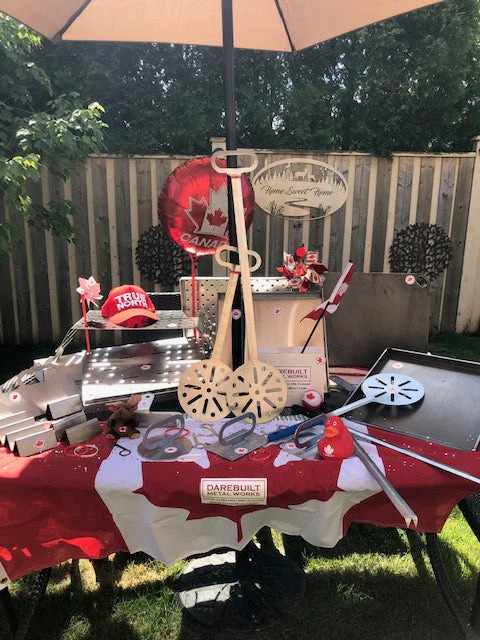
Look for reputable sellers and brands that specify steel grade and dimensions. Canadian baking Steel makers often emphasize locally-sourced materials and fabrication, with products tailored to North American ovens and shipping needs.
Common Misconceptions & Troubleshooting
“Will it ruin my oven?”
No — when used correctly, it won’t. Ensure even placement and don’t block oven vents. The main practical concern is weight; verify your racks can handle it.
“Does it need seasoning like cast iron?”
Yes and no. Seasoning helps prevent rust and creates a somewhat non-stick surface. It’s less finicky than cast iron but benefits from the same basic care.
Final Thoughts and Best Practices
If you bake frequently — especially pizza or hearth breads — a baking steel pizza will likely be one of the best investments for your kitchen. It’s fast, durable, and incredibly effective. For shoppers in Canada or who prefer locally-made goods, exploring Canadian baking Steel options can support local industry and ensure product compatibility with Canadian ovens and shipping.
Conclusion
A baking steel delivers faster, crisper results than many traditional tools. With simple care and the right technique, you can achieve pizzeria-quality pizza at home without complicated equipment. Whether you choose a full-sized slab or a compact option, the fundamentals remain the same: high heat, correct preheat, and a little patience. Ready to give your oven a power-up?
FAQs
Q1: How long should I preheat a baking steel?
A1: Preheat the steel in your oven for at least 45–60 minutes at the highest safe temperature so it reaches uniform heat.
Q2: Can I use a baking steel on a gas grill or charcoal?
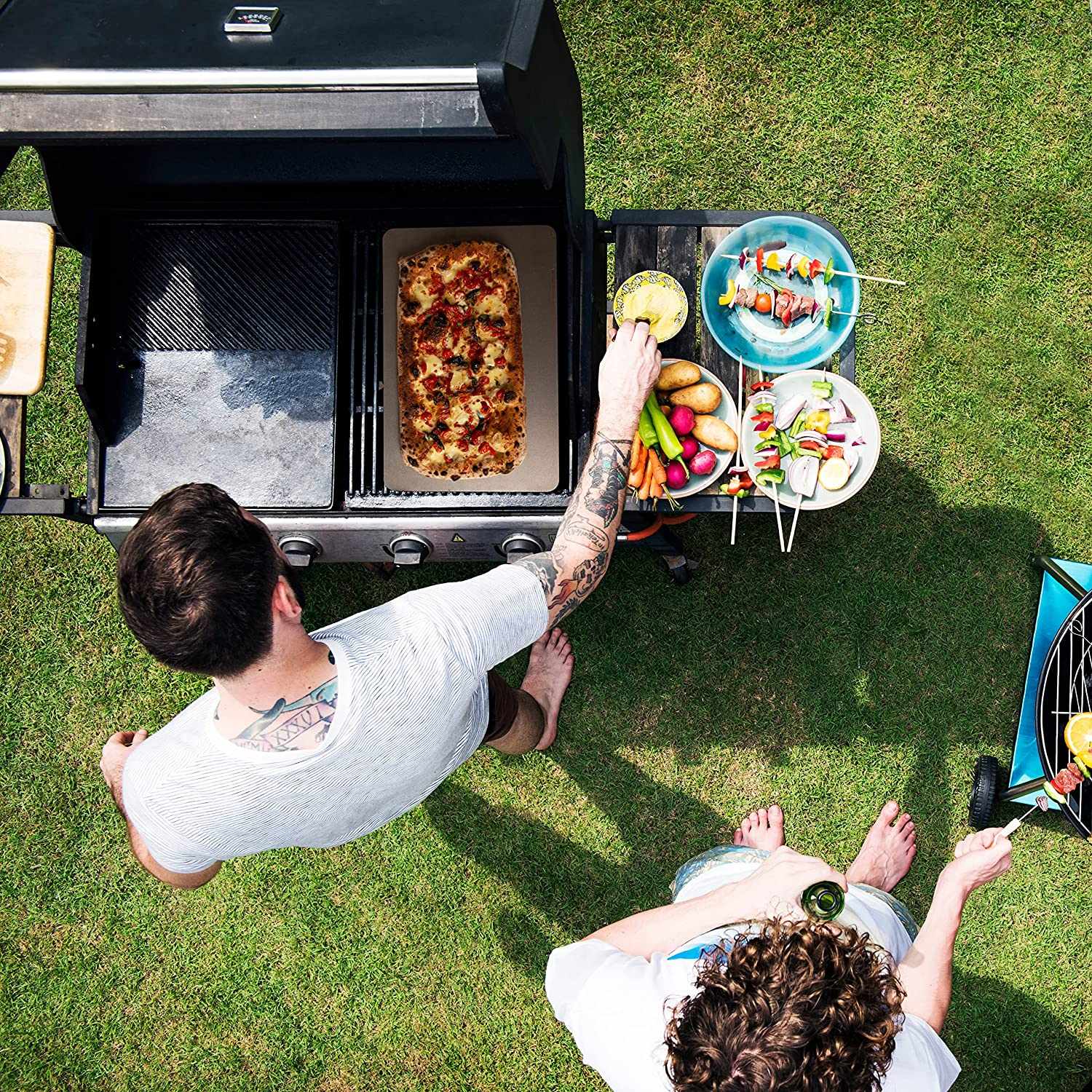
A2: Yes — steels work great on grills. Place them over the heat source and preheat until glowing hot; they’re excellent for high-temperature pizza cooking outdoors.
Q3: Will a baking steel rust? How do I prevent it?
A3: Steel can rust if left wet. Prevent rust by drying thoroughly and applying a thin layer of oil after cleaning; re-season if rust appears.
Write a comment ...